Bothell, King/Snohomish County
BOTHELL DRAINAGE &
EROSION CONTROL CONTRACTORS
Bothell straddles two major watersheds — the Sammamish and Lake Washington/Cedar River — creating complex drainage dynamics where water from surrounding hills converges in the city's valleys. Combined with silty sand and stiff clay soils, Bothell properties face persistent drainage challenges that worsen every fall when 8,500+ storm drains compete with falling leaves.
50+
Years Serving Bothell
500+
Projects Completed
5.0
Google Rating
100%
Licensed & Insured
Why Bothell Properties Need Professional Drainage
Bothell occupies a unique hydrological position: it sits across two major watersheds (Sammamish and Lake Washington/Cedar River) where the Sammamish River and North Creek serve as primary drainage corridors. Properties throughout the city ultimately drain toward these waterways, and when they're running high during storms, the entire system backs up — creating flooding in yards, crawlspaces, and low-lying areas that may be far from the actual creek.
The city's soil conditions compound the problem. Bothell's geology consists primarily of loose to medium-dense silty sand with trace gravel, along with pockets of stiff clay. The silty sand areas can become saturated quickly during prolonged rain, while the clay pockets create localized areas where water pools on the surface with nowhere to go. This inconsistent soil profile means neighboring properties can have dramatically different drainage behavior.
Bothell maintains over 8,500 public storm drains — a massive infrastructure network that still struggles during heavy fall and winter rains. The city operates street sweepers seven days a week during fall specifically to combat leaf accumulation that clogs storm drain grates. For homeowners, this means your private drainage system needs to function independently of the public system, which may be overwhelmed precisely when you need it most.
The terrain adds another layer of complexity. Bothell features a mix of hills and slopes that accelerate runoff, combined with flat valleys along the Sammamish River and North Creek where water collects. Properties on slopes experience erosion and concentrated flow, while valley properties deal with standing water, high water tables, and saturated soil that never fully dries between October and May.
Why Bothell Homeowners Choose New Life Drainage
What Makes Bothell Drainage Installation Different
Dual Watershed Position
Bothell straddles the Sammamish and Lake Washington/Cedar River watersheds, creating complex drainage dynamics where water converges from multiple directions.
Silty Sand & Clay Soils
Mixed soil conditions mean neighboring properties can have dramatically different drainage behavior — requiring custom solutions for each lot.
8,500+ Storm Drains
Despite massive public infrastructure, the system struggles during fall leaf season and heavy storms — private systems must function independently.
Drainage Services in Bothell
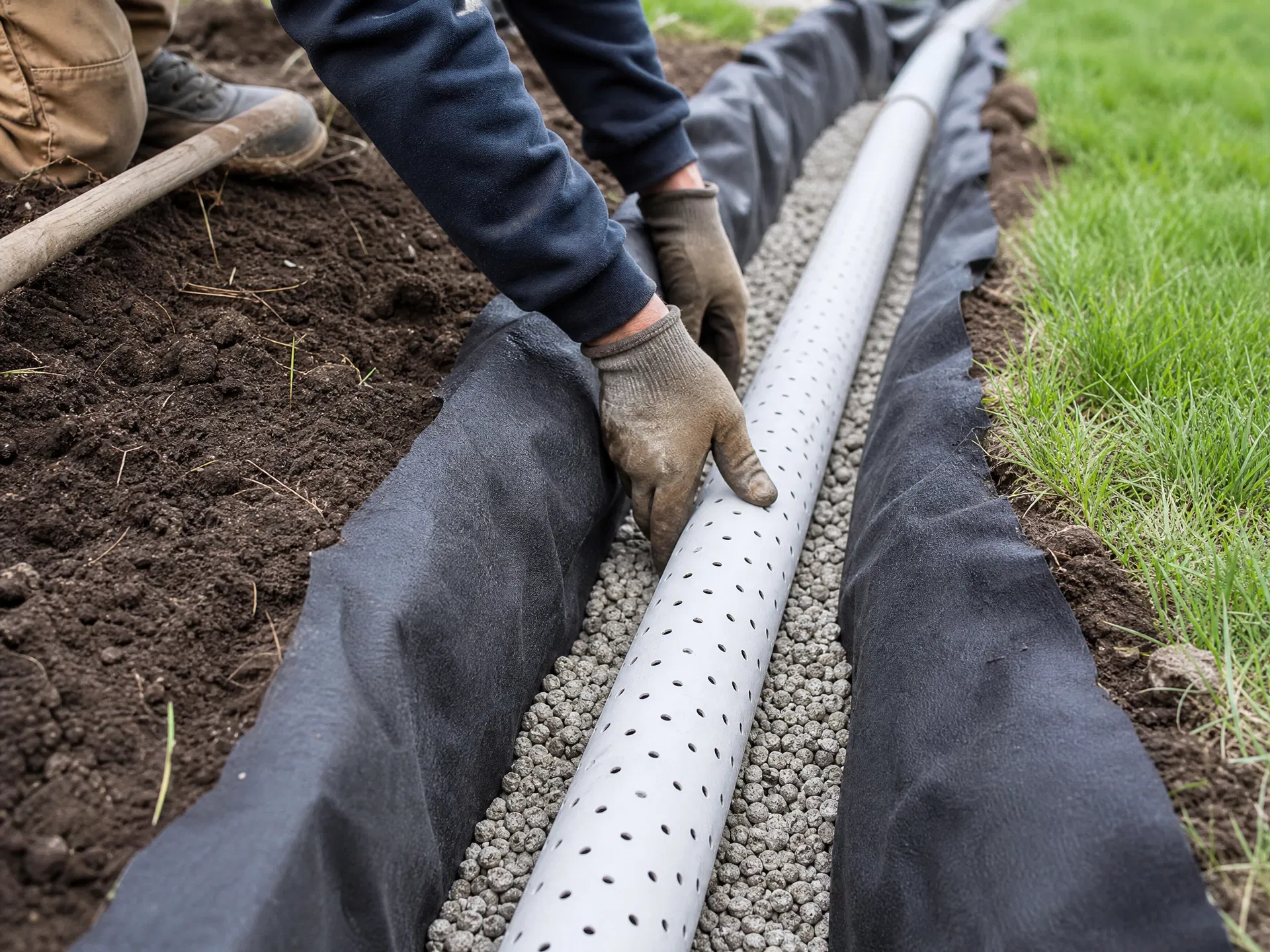
French Drain Installation
Professional French drain systems designed for Bothell's specific soil and terrain conditions.
Learn More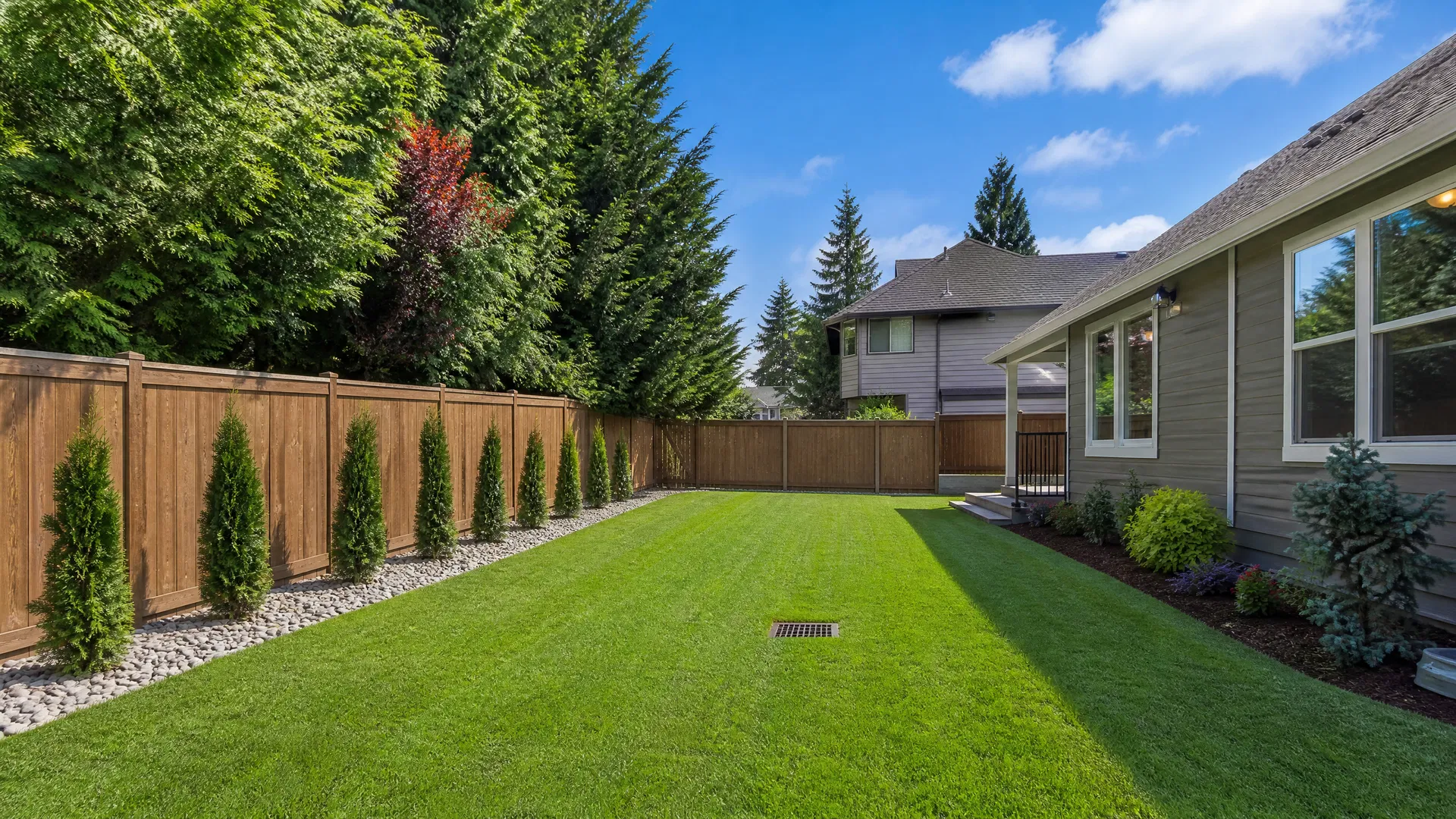
Yard Drainage Systems
Custom catch basins, surface drains, and grading solutions for Bothell yards with standing water.
Learn More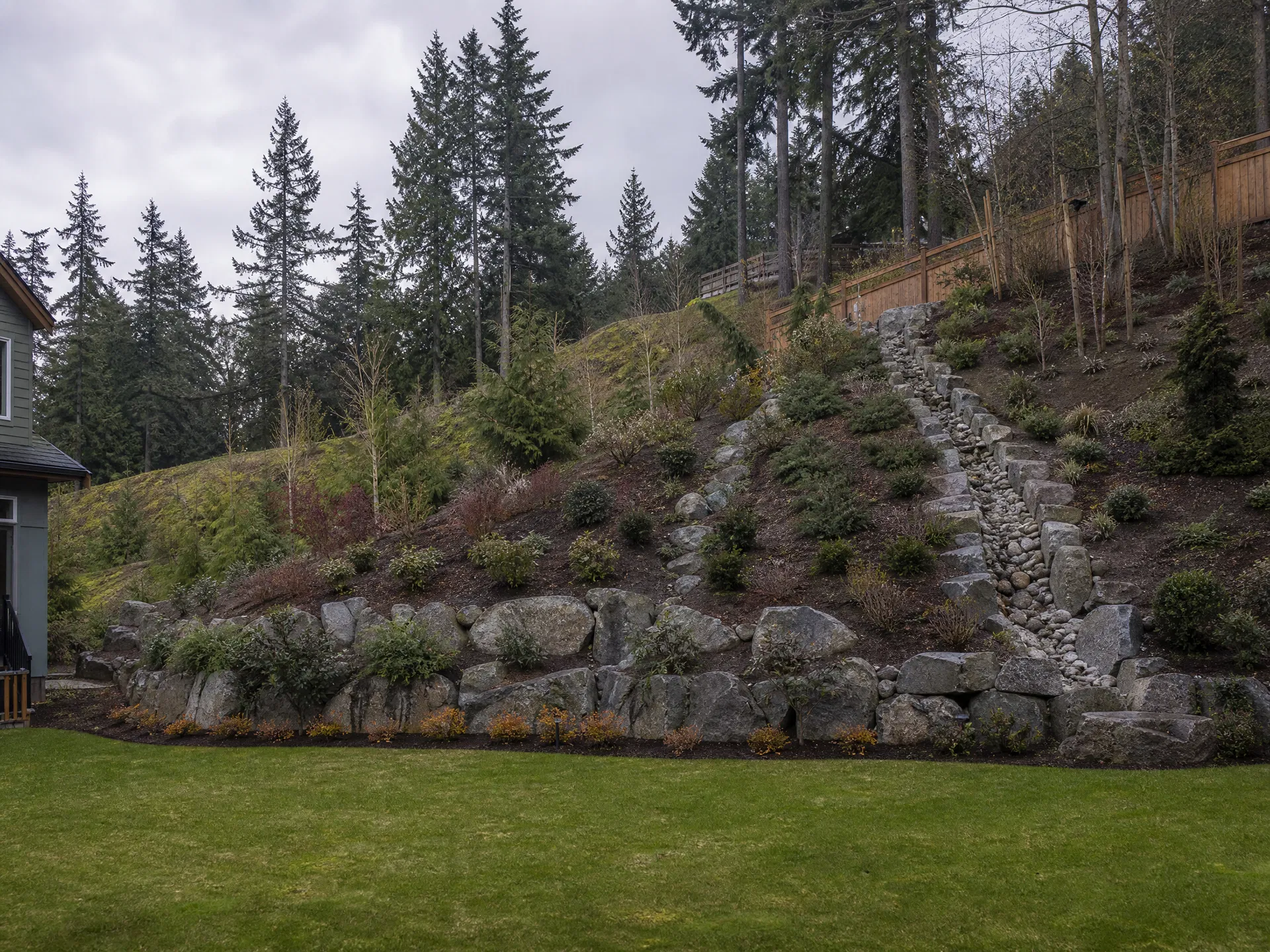
Erosion Control & Slopes
Slope stabilization, drainage channels, and runoff management for Bothell's hillside properties.
Learn MoreHow Much Does Drainage Cost in Bothell?
All prices include site preparation, materials, and cleanup. Free, no-obligation estimates with all the details — no surprises.
French Drain
$2,500–$7,500
Per system, mixed soil conditions
Catch Basin System
$2,000–$4,500
Surface water collection & routing
Full Yard Drainage
$5,000–$12,000
Complete system design & install
Erosion Control
$3,500–$10,000
Hillside stabilization & drainage
Prices are based on site conditions, linear footage, and system design. Get a free estimate for exact pricing.
"Our North Creek area yard was a swamp every winter. New Life Drainage installed catch basins and a French drain that keeps the yard usable year-round. The crew was professional and cleaned up perfectly."
Tom & Lisa H.
Bothell, WA
Bothell Areas We Serve
Canyon Park
Commercial-adjacent residential area where impervious surface runoff from nearby retail and office development concentrates water in residential yards.
North Creek & Maltby
Low-lying areas along North Creek with high water tables and flood risk during heavy storms. Properties experience persistent yard saturation October through May.
Country Village & Westhill
Sloped residential areas where runoff accelerates downhill, creating erosion on upper properties and standing water on lower ones.
Bothell Landing & Downtown
Historic area near the Sammamish River where older homes lack modern drainage infrastructure and face river-proximity flooding risk.
Queensborough & Fernwood
Established neighborhoods with mature tree canopy that drops heavy leaf loads, clogging private drainage systems and yard drains every fall.
Brickyard & Shelton View
Mixed terrain with both flat and sloped properties where inconsistent soil conditions create unpredictable drainage behavior between neighboring lots.
Bothell Drainage FAQs
Why does my Bothell yard stay soggy all winter?
Bothell's silty sand and clay soils become saturated during the prolonged wet season (October–May) and cannot absorb additional rainfall. Combined with the city's position in two major watersheds where water converges from surrounding hills, low-lying properties often remain waterlogged for months. A French drain system with proper discharge can remove this trapped water and keep your yard usable year-round.
How much does drainage cost in Bothell?
Residential drainage projects in Bothell typically range from $2,500 to $12,000 depending on the system type, soil conditions, and property size. Properties with mixed soil profiles (silty sand and clay) may require soil testing to determine the optimal system design. We provide free on-site estimates with clear pricing.
My storm drain grates keep clogging with leaves. What can I do?
Bothell's heavy tree canopy drops massive leaf loads every fall, and the city runs sweepers seven days a week to keep public drains clear. For private systems, we install catch basins with debris-filtering grates and design systems with cleanout access points so maintenance is simple. We can also upgrade older systems with modern grates that resist clogging.
Does new construction near me affect my drainage?
Absolutely. New development in Bothell increases impervious surfaces and can redirect water flow onto neighboring properties. While the city requires developers to manage stormwater, the reality is that construction often changes drainage patterns for surrounding homes. A properly designed drainage system on your property protects you regardless of what happens on adjacent lots.
Fix Your Bothell Drainage Problem
Get a free on-site assessment from drainage experts who understand Bothell's dual-watershed dynamics, mixed soil conditions, and seasonal flooding patterns.