Shoreline, King County
SHORELINE DRAINAGE &
EROSION CONTROL CONTRACTORS
Shoreline's glacial till hardpan — one of the densest, most water-resistant soil layers in the Puget Sound region — sits beneath nearly every residential property in the city. Combined with coastal bluffs along Puget Sound, steep ravines, and the flood-prone Ronald Bog, Shoreline presents drainage challenges that require expert solutions designed for these specific conditions.
50+
Years Serving Shoreline
500+
Projects Completed
5.0
Google Rating
100%
Licensed & Insured
Why Shoreline's Hardpan Creates Persistent Drainage Problems
Shoreline sits on glacial till that geologists describe as 'hardpan' — an extremely dense, compacted layer deposited by glaciers over 10,000 years ago. Unlike the gravelly till found in some Eastside cities, Shoreline's hardpan is particularly resistant to water penetration. Rain that falls on Shoreline properties has essentially nowhere to go: it cannot soak through the hardpan, so it pools on the surface, flows along the till layer, and emerges on slopes as seeps and saturated zones.
The city's terrain amplifies this problem. Shoreline features coastal bluffs along Puget Sound that are susceptible to shallow landslides when saturated, steep ravines that channel concentrated runoff, and low-lying areas around Ronald Bog that flood during heavy storms. The city maintains a Ronald Bog Early Warning System specifically to monitor water levels — a testament to how serious drainage issues are in this community.
The City of Shoreline requires property owners to inspect and maintain private storm drainage systems at least once per year. The Surface Water Utility conducts inspections to verify compliance and implements a Source Control Program to prevent stormwater pollution. This means homeowners are legally responsible for managing water on their property — and the consequences of failure include not just property damage but potential code violations.
Shoreline receives approximately 38.6 inches of rain annually, with the vast majority falling between October and May. During this extended wet season, the hardpan layer remains saturated, meaning even light rain events produce immediate surface runoff. Properties without adequate drainage systems experience months of standing water, soggy lawns, and moisture pressure against foundations that can lead to structural damage over time.
Why Shoreline Homeowners Choose New Life Drainage
What Makes Shoreline Drainage Installation Different
Hardpan Glacial Till
Shoreline's glacial till is one of the densest in the region — classified as 'hardpan' that is extremely resistant to water penetration.
Coastal Bluffs & Ravines
Steep slopes along Puget Sound and deep ravines create landslide risk when soils become saturated without proper drainage.
Annual Inspection Required
The City of Shoreline requires annual inspection of private drainage systems — making professional installation and maintenance essential.
Drainage Services in Shoreline
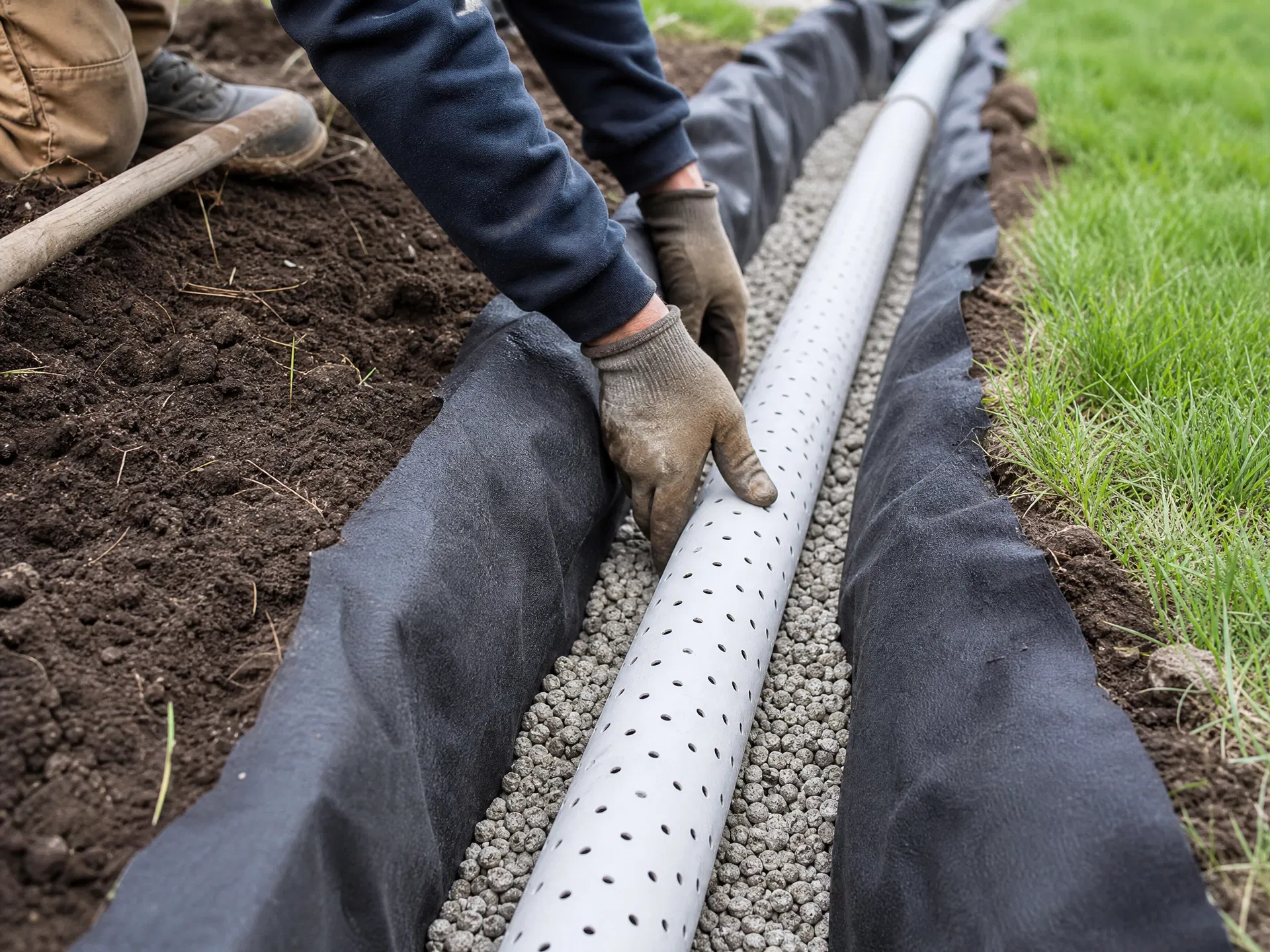
French Drain Installation
Professional French drain systems designed for Shoreline's specific soil and terrain conditions.
Learn More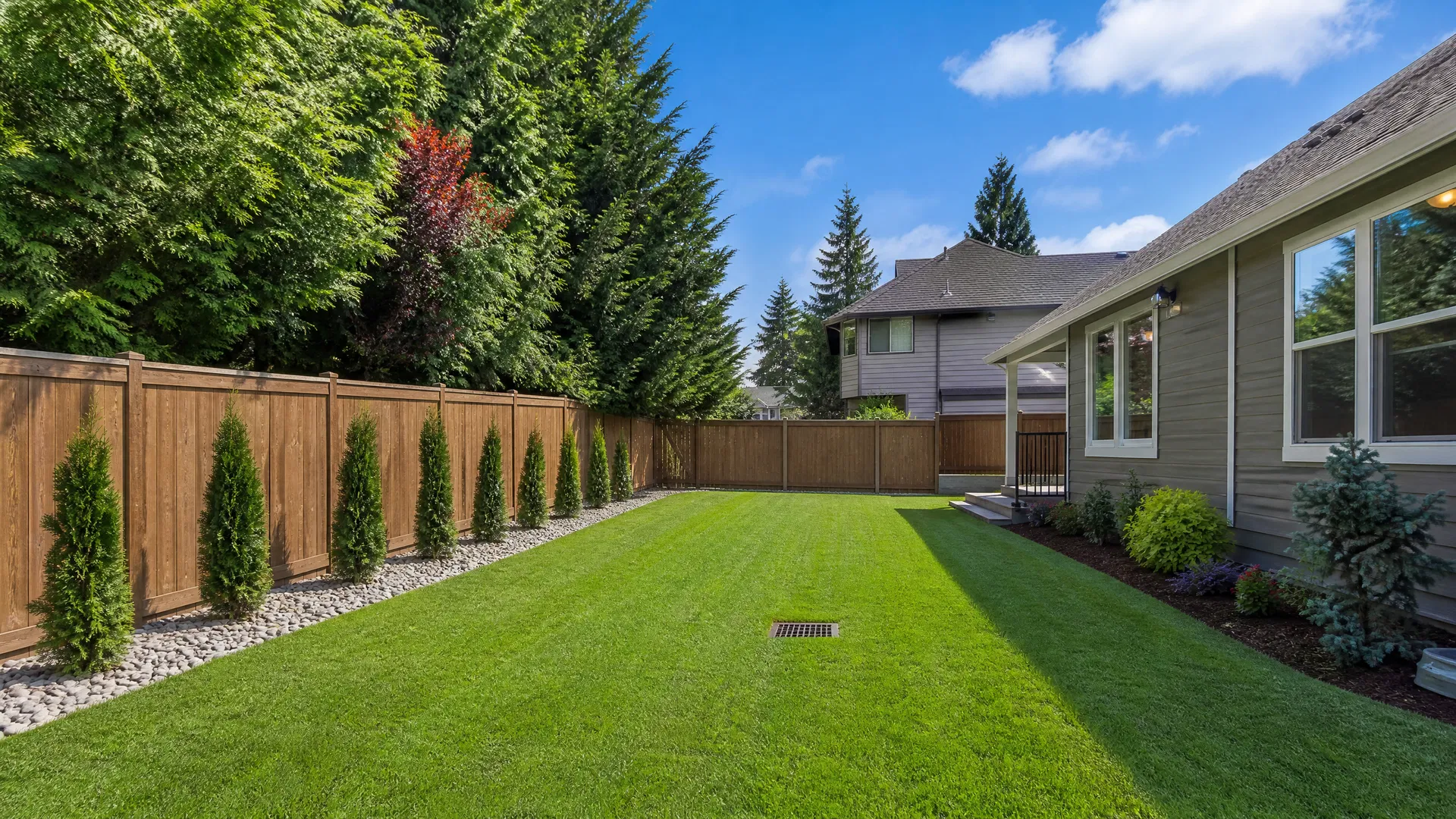
Yard Drainage Systems
Custom catch basins, surface drains, and grading solutions for Shoreline yards with standing water.
Learn More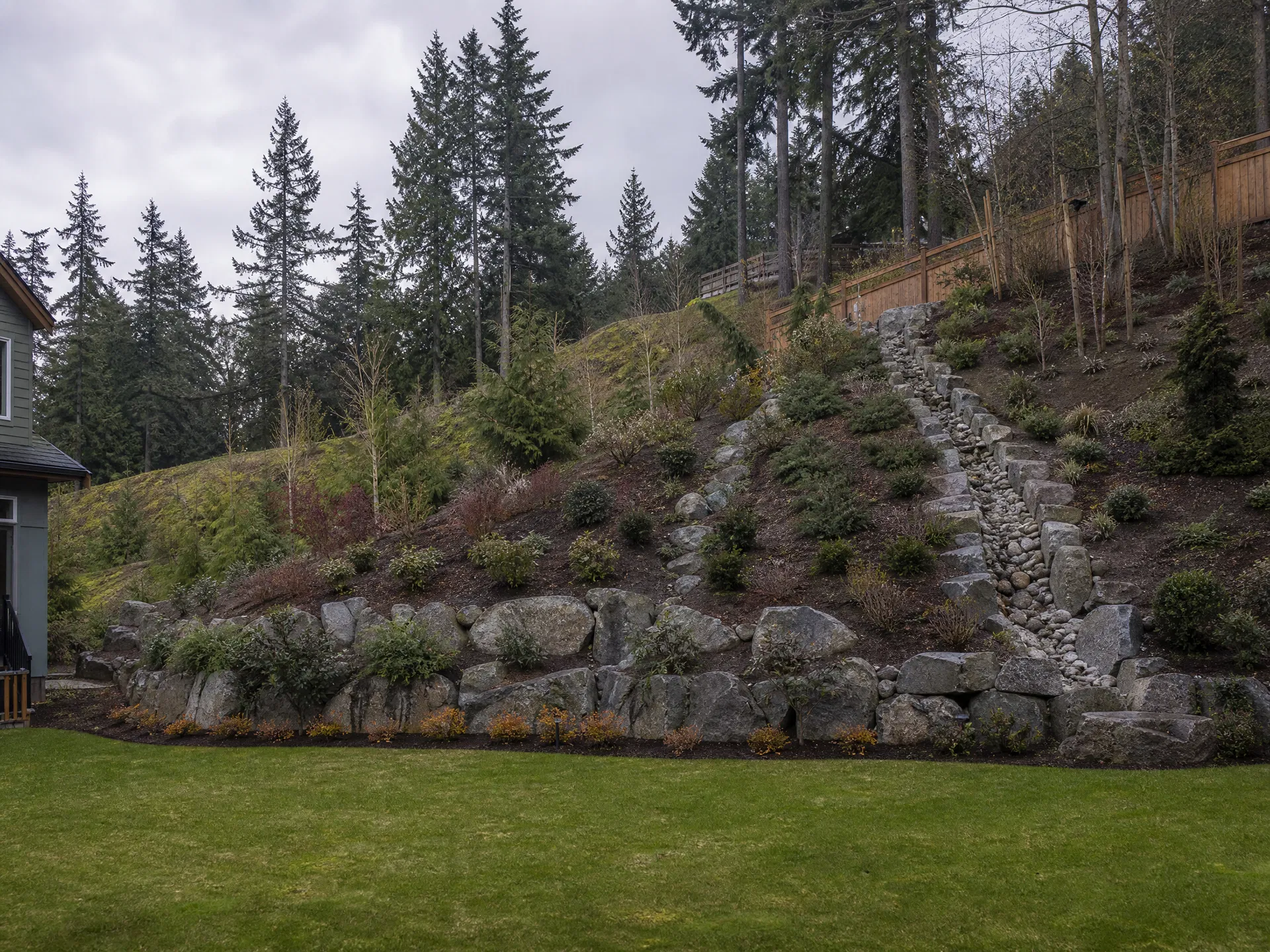
Erosion Control & Slopes
Slope stabilization, drainage channels, and runoff management for Shoreline's hillside properties.
Learn MoreHow Much Does Drainage Cost in Shoreline?
All prices include site preparation, materials, and cleanup. Free, no-obligation estimates with all the details — no surprises.
French Drain
$3,000–$8,000
Per system, hardpan excavation
Catch Basin System
$2,500–$5,000
Surface water collection & routing
Full Yard Drainage
$5,500–$13,000
Complete system design & install
Slope Stabilization
$5,000–$15,000
Bluff & ravine erosion control
Prices are based on site conditions, linear footage, and system design. Get a free estimate for exact pricing.
"We were worried about landslide risk on our Innis Arden slope. New Life Drainage installed drainage that keeps the soil from saturating. Our annual inspection has been clean every year since."
Robert & Karen M.
Shoreline, WA
Shoreline Areas We Serve
Innis Arden & The Highlands
Coastal bluff properties with significant landslide risk when soils become saturated. Proper drainage is critical for slope stability and property protection.
Ronald Bog & Echo Lake
Low-lying areas near water bodies that experience flooding during heavy storms. The city monitors Ronald Bog levels with an early warning system due to recurring flood risk.
Ridgecrest & Hillwood
Elevated neighborhoods where hardpan forces water to flow laterally, creating seeps on exposed slopes and saturating properties at the base of hills.
North City & Jackson Park
Residential areas with mature tree canopy and older homes that lack modern drainage infrastructure. Clay-heavy hardpan prevents natural absorption.
Richmond Beach & Richmond Highlands
Western Shoreline neighborhoods near Puget Sound with steep terrain, bluff erosion concerns, and concentrated runoff flowing toward the waterfront.
Meridian Park & Parkwood
Central Shoreline neighborhoods on relatively flat terrain where the hardpan creates persistent standing water with no natural drainage path.
Shoreline Drainage FAQs
Why is Shoreline's soil so bad for drainage?
Shoreline sits on glacial till 'hardpan' — one of the densest soil layers in the Puget Sound region. This compacted glacial deposit is nearly impermeable to water, meaning rain cannot soak into the ground naturally. Instead, water pools on the surface or flows laterally along the hardpan layer until it finds an outlet — often your foundation, a slope face, or a low spot in your yard.
Is my Shoreline property at landslide risk?
Properties on or near coastal bluffs, steep ravines, or slopes greater than 15% may be at risk for shallow landslides, especially when soils become saturated during the wet season. Proper drainage that removes water from slope areas is one of the most effective ways to reduce landslide risk. We can assess your specific slope conditions during a free site visit.
How much does drainage cost in Shoreline?
Residential drainage projects in Shoreline typically range from $3,000 to $13,000 depending on the system type, slope conditions, and property size. Properties near coastal bluffs or steep ravines may require more comprehensive erosion control systems. We provide free on-site estimates with transparent pricing.
Does Shoreline require annual drainage inspections?
Yes. The City of Shoreline requires property owners to inspect and maintain private storm drainage systems at least once per year. The Surface Water Utility may conduct inspections to verify compliance. A professionally installed drainage system with accessible cleanout points makes annual maintenance straightforward and keeps you in compliance.
Protect Your Shoreline Property from Water Damage
Get a free assessment from drainage experts who understand Shoreline's hardpan soil, coastal bluff risks, and annual inspection requirements.