
Kirkland, King County
KIRKLAND DRAINAGE &
EROSION CONTROL CONTRACTORS
Kirkland's Alderwood gravelly sandy loam over dense glacial till creates a deceptive drainage challenge — the surface looks permeable, but the hardpan beneath traps water and sends it rushing downhill toward Lake Washington. With 38% of the city covered in impervious surfaces, every heavy rain event concentrates runoff in ways natural soil never intended.
50+
Years Serving Kirkland
500+
Projects Completed
5.0
Google Rating
100%
Licensed & Insured
Why Kirkland Properties Have Serious Drainage Problems
Kirkland sits on Alderwood gravelly sandy loam — a soil formed in Vashon Glacial Till that appears well-drained on the surface but is underlain by a dense, nearly impermeable hardpan layer. This creates a frustrating paradox for homeowners: water soaks through the top few inches of gravelly soil, hits the glacial till barrier, and then flows laterally along the hardpan — emerging as seeps on hillsides, pooling in low spots, and pushing against foundations.
The City of Kirkland's own stormwater data reveals that 38% of the city is covered by impervious surfaces — roofs, driveways, roads, and patios that shed water instantly during storms. This concentrated runoff overwhelms natural drainage paths, creates flashy waterflows that scour creek channels, and erodes hillsides throughout the city. The Storm & Surface Water Division has documented how these conditions wash away fish habitat and destabilize slopes.
Kirkland's rolling terrain compounds the problem. Properties on Finn Hill and other elevated areas experience rapid runoff during storms, while lower properties near Lake Washington, Juanita Creek, and Forbes Creek receive concentrated flows from uphill. The city requires property owners to manage drainage on their own land and maintain private stormwater systems — making professional drainage installation essential for protecting your home and meeting city requirements.
All stormwater in Kirkland eventually flows into Lake Washington, making proper drainage not just a property protection issue but an environmental responsibility. Poorly managed runoff carries sediment, pollutants, and debris into the city's creeks and ultimately the lake. A well-designed drainage system protects both your property and Kirkland's waterways.
Why Kirkland Homeowners Choose New Life Drainage
What Makes Kirkland Drainage Installation Different
Alderwood Soil & Hardpan
Kirkland's Alderwood gravelly sandy loam over dense glacial till creates a deceptive surface that looks permeable but traps water on the hardpan beneath.
38% Impervious Surfaces
Over a third of Kirkland is covered by roofs, driveways, and roads that concentrate runoff and overwhelm natural drainage paths.
Lake Washington Watershed
All stormwater flows to Lake Washington, making proper drainage both a property protection and environmental responsibility.
Drainage Services in Kirkland

French Drain Installation
Professional French drain systems designed for Kirkland's specific soil and terrain conditions.
Learn More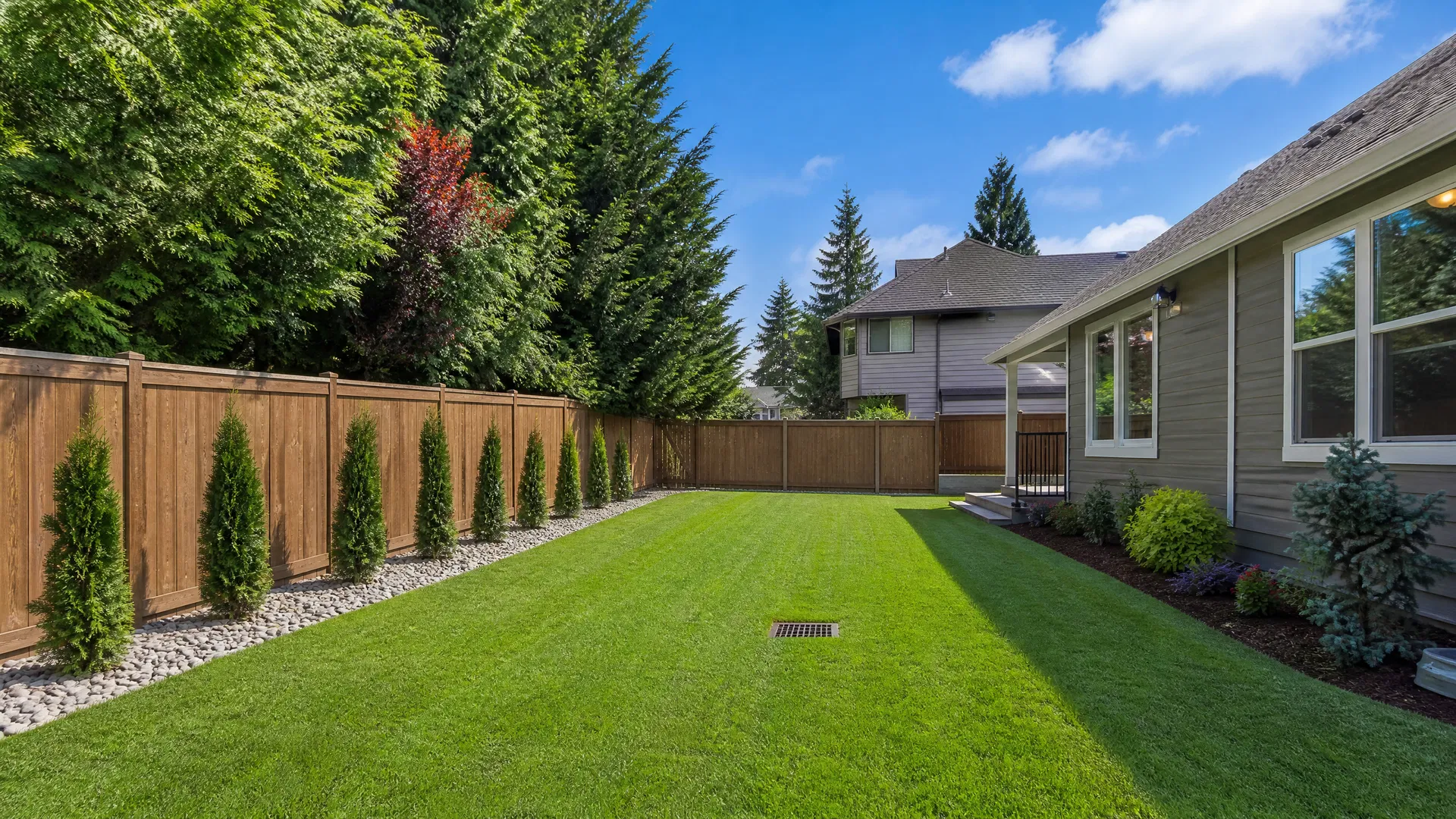
Yard Drainage Systems
Custom catch basins, surface drains, and grading solutions for Kirkland yards with standing water.
Learn More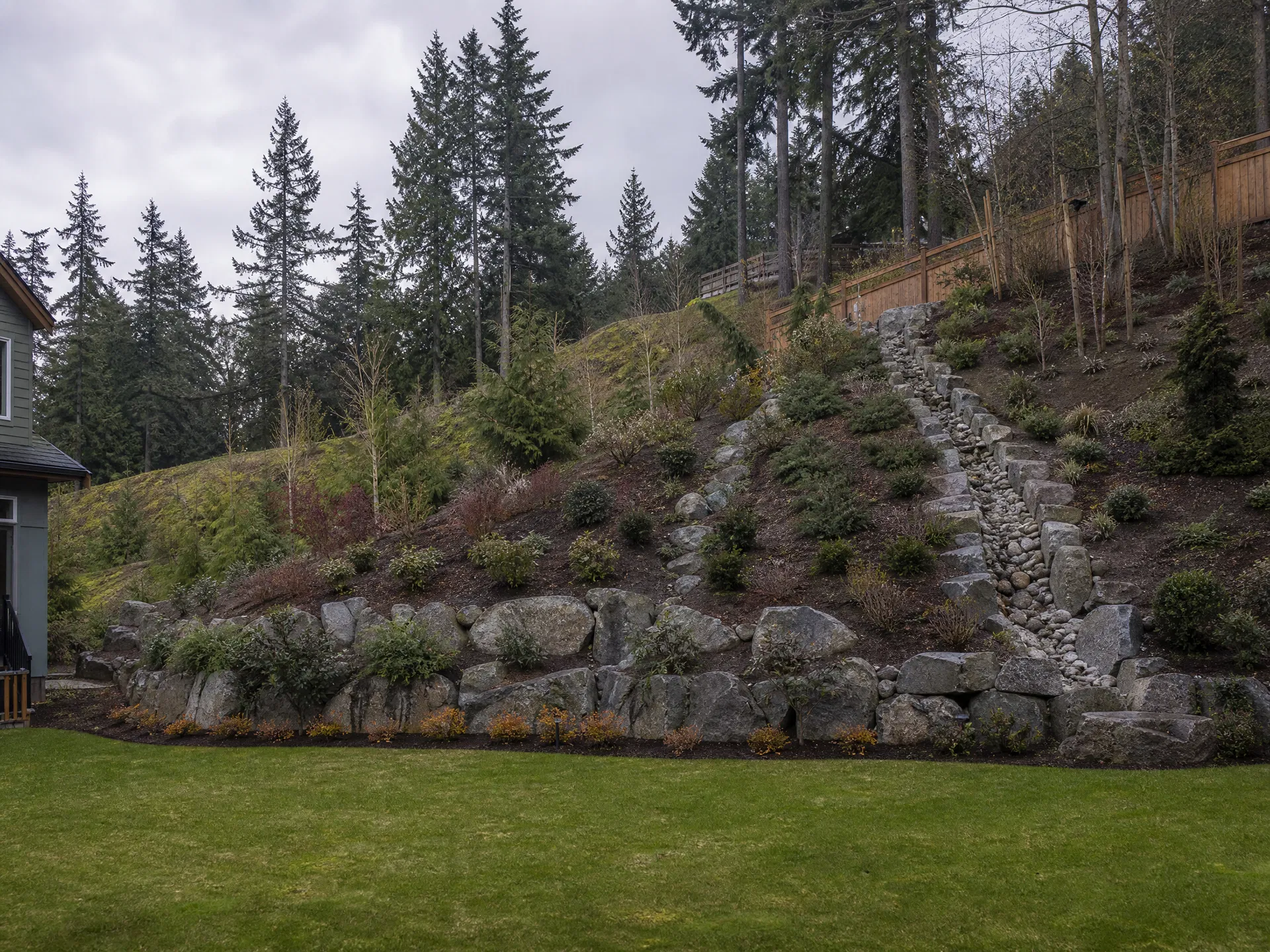
Erosion Control & Slopes
Slope stabilization, drainage channels, and runoff management for Kirkland's hillside properties.
Learn MoreHow Much Does Drainage Cost in Kirkland?
All prices include site preparation, materials, and cleanup. Free, no-obligation estimates with all the details — no surprises.
French Drain
$3,500–$8,500
Per system, hardpan excavation
Catch Basin System
$2,500–$5,500
Surface water collection & routing
Full Yard Drainage
$6,000–$14,000
Complete system design & install
Erosion Control
$4,000–$12,000
Hillside stabilization & drainage
Prices are based on site conditions, linear footage, and system design. Get a free estimate for exact pricing.
"Water was seeping out of our Finn Hill slope every winter. New Life Drainage intercepted the flow with a French drain above the seep area and the problem is completely solved. Excellent work."
Jennifer K.
Kirkland, WA
Kirkland Areas We Serve
Finn Hill
Steep glacial till slopes with high landslide and liquefaction risk. Concentrated runoff creates flashy waterflows that erode hillsides and threaten downhill properties.
Juanita & Juanita Beach
Lower-elevation properties near Juanita Creek that receive concentrated runoff from uphill areas. High water tables during wet months create persistent yard saturation.
Totem Lake & Kingsgate
Commercial-adjacent residential areas where impervious surface runoff from nearby development overwhelms residential drainage capacity.
Downtown Kirkland
Dense urban area where localized flooding occurs when storm drains are overwhelmed during heavy rain events. Older homes lack modern drainage infrastructure.
Bridle Trails & South Kirkland
Established neighborhoods with mature tree canopy where root systems interact with drainage, and older properties lack adequate stormwater management.
Houghton & Lakeview
Sloped properties draining toward Lake Washington where proper grading and drainage systems are essential to prevent erosion and protect waterfront values.
Kirkland Drainage FAQs
Why does water seep out of my Kirkland hillside?
This is a classic sign of water hitting the glacial till hardpan layer beneath Kirkland's Alderwood soil. Water percolates through the upper gravelly layer, hits the impermeable till, and flows laterally until it emerges on exposed slopes as seeps or springs. A properly designed French drain system installed above the seep area can intercept this lateral flow and redirect it safely.
How much does drainage cost in Kirkland?
Residential drainage projects in Kirkland typically range from $3,500 to $14,000 depending on the system type, slope conditions, and property size. Kirkland's rocky glacial till can increase excavation costs on steeper properties. We provide free on-site estimates with transparent, detailed pricing.
Does Kirkland require drainage system maintenance?
Yes. The City of Kirkland requires property owners to inspect and maintain private stormwater systems. The Storm & Surface Water Division conducts oversight to ensure proper operation. A well-installed drainage system requires minimal maintenance — typically annual inspection and clearing of catch basin grates.
Will my drainage affect Lake Washington?
All stormwater in Kirkland flows into Lake Washington. A properly designed drainage system actually improves water quality by slowing runoff, filtering sediment, and preventing erosion that would otherwise carry pollutants into the city's creeks and the lake. We design systems that protect both your property and the local watershed.
Fix Your Kirkland Drainage Problem
Get a free on-site assessment from drainage experts who understand Kirkland's glacial till soil, steep terrain, and Lake Washington watershed requirements.