Issaquah, King County
ISSAQUAH DRAINAGE &
EROSION CONTROL CONTRACTORS
Issaquah receives 53 inches of rain annually — the highest of any city in our service area — and sits in a valley where Squak Mountain and Tiger Mountain funnel massive volumes of runoff directly into the city. When Issaquah Creek flooded downtown in January 2022 and again in December 2025, it demonstrated what happens when mountain rainfall meets valley properties without adequate drainage.
50+
Years Serving Issaquah
500+
Projects Completed
5.0
Google Rating
100%
Licensed & Insured
Why Issaquah Faces the Most Intense Drainage Challenges in the Region
Issaquah sits in a valley enfolded by the 'Issaquah Alps' — Squak Mountain and Tiger Mountain — which act as massive funnels during rainstorms. Precipitation that falls across thousands of acres of mountainside concentrates into Issaquah Creek, Tibbetts Creek, and the East Fork, all flowing directly through the city. This means Issaquah doesn't just deal with rain falling on its own properties; it receives the accumulated runoff from an entire mountain watershed.
With 53 inches of annual rainfall — far exceeding Seattle (37"), Bellevue (41"), or even Edmonds (46") — Issaquah's drainage demands are the most intense in the region. The city's location makes it especially vulnerable to 'pineapple express' atmospheric river events where warm rain combines with snowmelt from upper elevations, creating sudden, extreme flooding that overwhelms even well-maintained systems.
The city has experienced multiple historic flooding events: January 2022 when woody debris clogged a waterway and flooded downtown, February 2020 when a culvert failure along Issaquah Creek caused significant damage, and December 2025 when continuous downpours pushed Issaquah Creek to extreme conditions. These aren't rare events — they're recurring patterns that demonstrate the need for robust private property drainage.
Issaquah's soils range from shallow, scoured areas with exposed bedrock to thick glacial till deposits hundreds of feet deep. Native soil consists primarily of loose to medium-dense silty sand with gravel, and the region includes active slide areas and slide-prone lacustrine deposits. The city's Surface and Stormwater Master Plan acknowledges these challenges, but private property drainage remains the homeowner's responsibility.
Why Issaquah Homeowners Choose New Life Drainage
What Makes Issaquah Drainage Installation Different
53 Inches Annual Rainfall
The highest rainfall in our entire service area — mountain terrain forces moist air upward, creating extreme precipitation that overwhelms standard drainage.
Mountain Watershed Funnel
Squak and Tiger Mountains funnel runoff from thousands of acres directly into Issaquah's valley, creating compound flooding beyond local rainfall.
Recurring Flood History
Historic floods in 2020, 2022, and 2025 demonstrate that Issaquah faces ongoing, intensifying flood risk from its mountain valley position.
Drainage Services in Issaquah
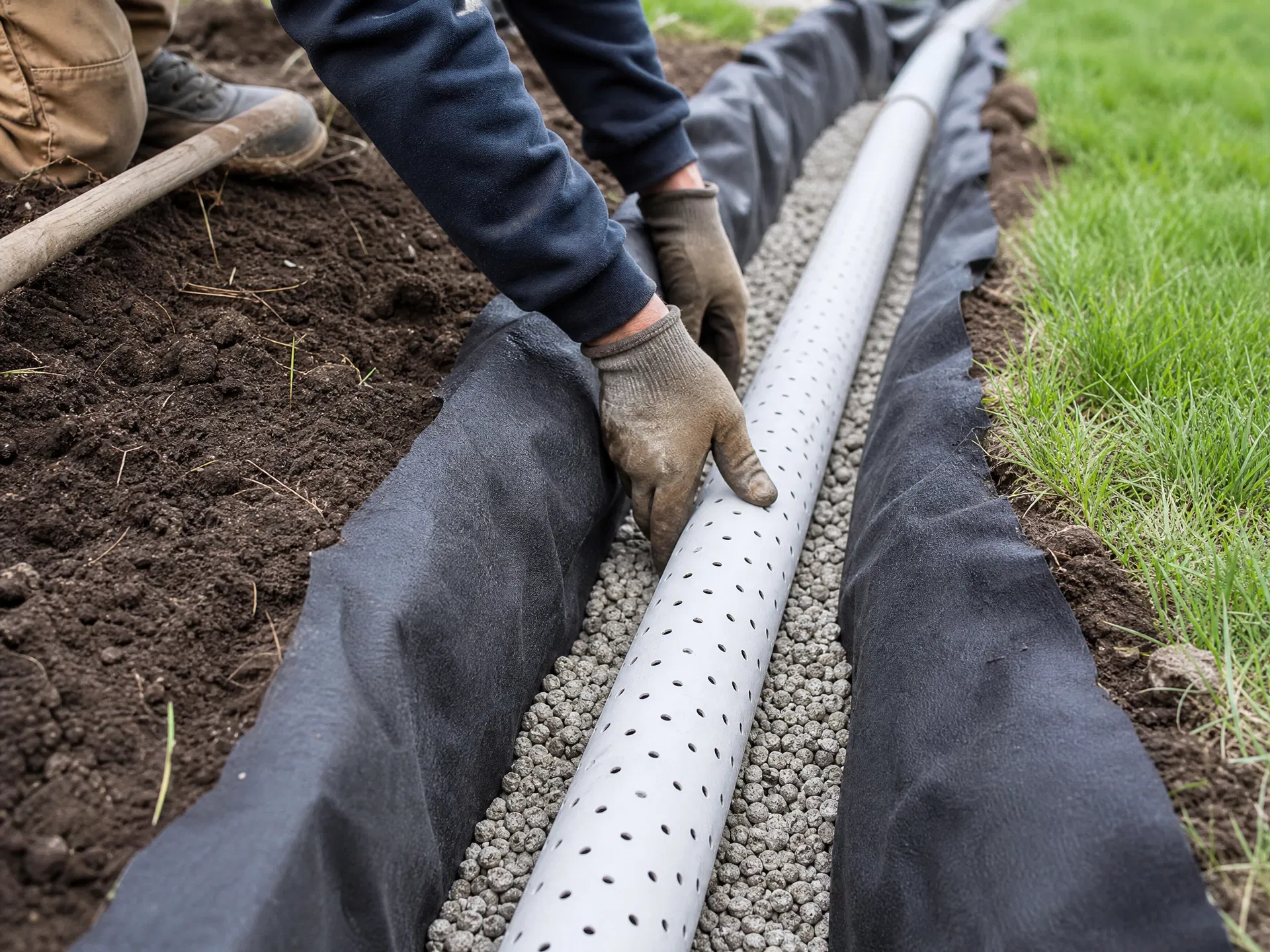
French Drain Installation
Professional French drain systems designed for Issaquah's specific soil and terrain conditions.
Learn More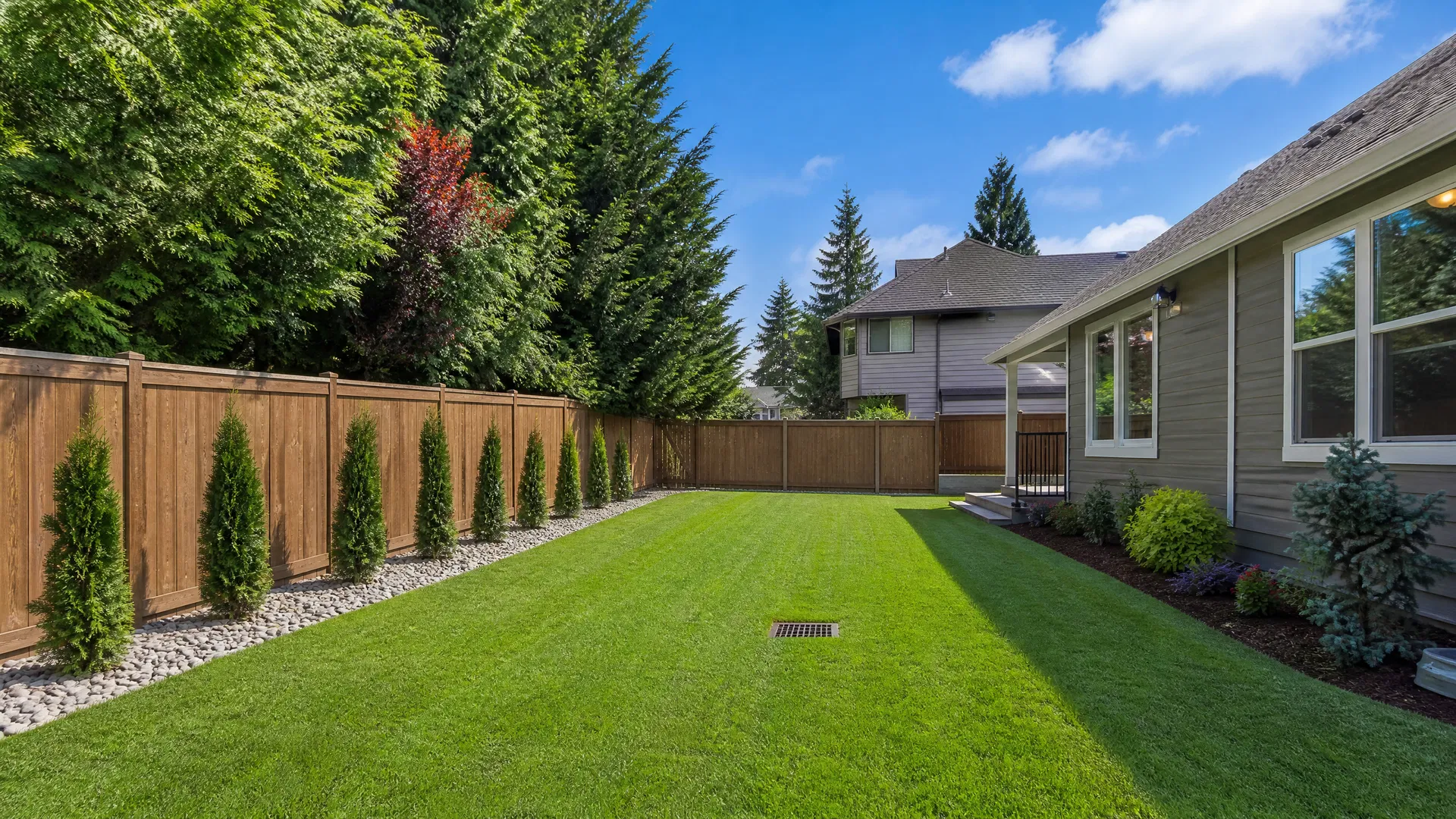
Yard Drainage Systems
Custom catch basins, surface drains, and grading solutions for Issaquah yards with standing water.
Learn More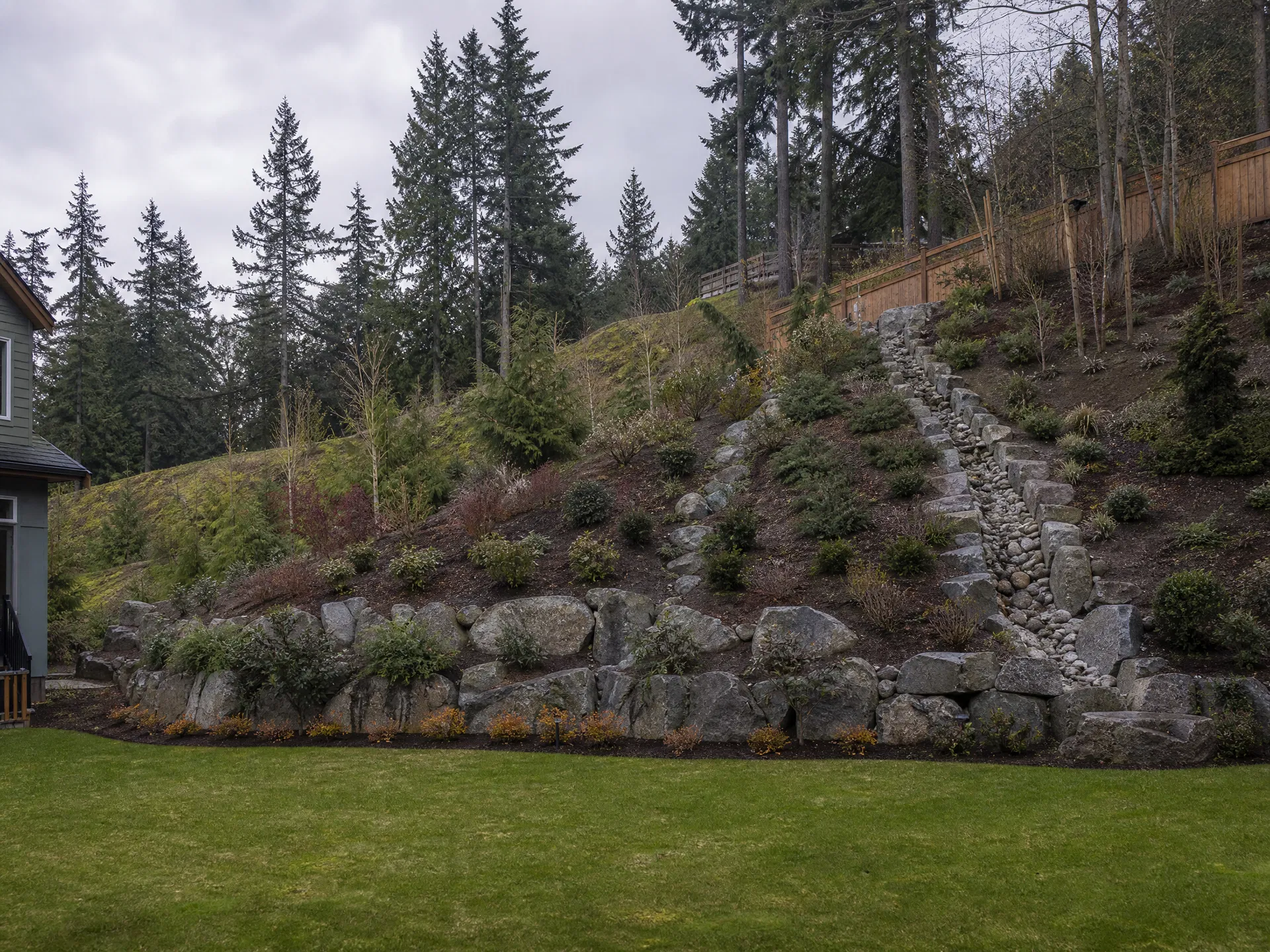
Erosion Control & Slopes
Slope stabilization, drainage channels, and runoff management for Issaquah's hillside properties.
Learn MoreHow Much Does Drainage Cost in Issaquah?
All prices include site preparation, materials, and cleanup. Free, no-obligation estimates with all the details — no surprises.
French Drain
$4,000–$9,000
Per system, high-rainfall design
Catch Basin System
$3,000–$6,000
Surface water collection & routing
Full Yard Drainage
$7,000–$16,000
Complete system design & install
Flood Protection
$5,000–$12,000
Creek-adjacent drainage systems
Prices are based on site conditions, linear footage, and system design. Get a free estimate for exact pricing.
"Our Newport Way property flooded in both 2022 and 2025. New Life Drainage installed a comprehensive system with French drains, catch basins, and a sump pump. We stayed completely dry during the last major storm."
Kevin & Sarah B.
Issaquah, WA
Issaquah Areas We Serve
Downtown Issaquah
Historic flooding from Issaquah Creek when woody debris clogs waterways. Low-elevation properties face recurring flood risk during major storm events.
Newport Way & Tibbetts Valley
Swift waters flood residential and business areas during heavy storms. Tibbetts Creek overflow creates considerable flooding in adjacent properties.
Issaquah Highlands
Elevated development on steep terrain where concentrated runoff flows rapidly downhill. Properties at slope bases receive water from extensive uphill areas.
Squak Mountain Foothills
Properties at the base of Squak Mountain receive concentrated mountain runoff during storms. Slide-prone soils add erosion and instability risk.
Lake Sammamish State Park Area
Low-lying properties near the creek-lake confluence face extreme conditions when Issaquah Creek rises and Lake Sammamish backs up simultaneously.
East Fork & Tradition Plateau
Eastern Issaquah properties near the East Fork experience considerable flooding and erosion from mountain watershed runoff during atmospheric river events.
Issaquah Drainage FAQs
Why does Issaquah flood so much more than other Eastside cities?
Issaquah sits in a valley surrounded by mountains (the 'Issaquah Alps') that funnel runoff from thousands of acres directly into the city. Combined with 53 inches of annual rainfall — the highest in our service area — and vulnerability to 'pineapple express' events that combine warm rain with snowmelt, Issaquah receives more concentrated water volume than any comparable city in the region.
How much does drainage cost in Issaquah?
Residential drainage projects in Issaquah typically range from $4,000 to $16,000 depending on system complexity, proximity to creeks, and slope conditions. Issaquah's higher rainfall intensity and mountain runoff may require more robust systems than comparable properties in flatter cities. We provide free on-site estimates with detailed pricing.
Is my Issaquah property in a flood zone?
Properties near Issaquah Creek, Tibbetts Creek, the East Fork, and low-lying areas near Lake Sammamish may be in designated flood zones. Even properties outside official zones can experience flooding during major events — as the January 2022 and December 2025 floods demonstrated. We assess your specific flood risk during our free estimate visit and design systems accordingly.
Can drainage protect against pineapple express flooding?
A well-designed drainage system significantly reduces your vulnerability to atmospheric river events by managing water before it reaches your foundation or accumulates in your yard. While no system can prevent all flooding during extreme events, proper French drains, catch basins, sump pumps, and grading corrections dramatically reduce damage and recovery time.
Protect Your Issaquah Property from Mountain Runoff
Get a free assessment from drainage experts who understand Issaquah's extreme rainfall, mountain watershed dynamics, and recurring flood patterns.