Lynnwood, Snohomish County
LYNNWOOD DRAINAGE &
EROSION CONTROL CONTRACTORS
Lynnwood sits on Vashon Glacial Till so dense it's classified as 'nearly impermeable' — water simply cannot migrate vertically through it. This creates perched groundwater within feet of the surface during wet months, turning yards into saturated zones that standard landscaping cannot fix. The December 2025 federal emergency flooding proved how vulnerable Lynnwood properties are without proper drainage.
50+
Years Serving Lynnwood
500+
Projects Completed
5.0
Google Rating
100%
Licensed & Insured
Why Lynnwood's Glacial Till Makes Drainage Essential
Lynnwood's subsurface is dominated by Vashon Glacial Till — a dense, nearly impermeable mixture of silt, sand, gravel, and clay that geotechnical engineers describe as 'does not allow water to migrate vertically.' This means infiltration is unfeasible across much of the city. Rain that falls on Lynnwood properties has nowhere to go but sideways, pooling on the surface and creating perched groundwater that sits within several feet of the surface during the wet season.
The city's gentle slopes (typically less than 10%) and elevations between 300 and 600 feet create a landscape where water moves slowly but persistently across the till layer. Unlike steeper cities where runoff flows quickly to creeks, Lynnwood's gradual terrain allows water to spread and saturate large areas — creating the soggy, unusable yards that so many residents experience from October through May.
The December 2025 atmospheric river event triggered a federal emergency declaration for Snohomish County, including Lynnwood. Dozens of residents required rescue, 44th Ave W flooded and closed, and neighborhoods throughout the city experienced unprecedented water levels. This event exposed how many Lynnwood properties lack adequate drainage infrastructure to handle intense rainfall on impermeable soil.
The City of Lynnwood's Surface Water Management Comprehensive Plan acknowledges these challenges, and stormwater management is funded by utility fees paid by all ratepayers. But the city's infrastructure manages public systems — private property drainage remains the homeowner's responsibility. With undocumented fills complicating soil conditions in some areas, professional assessment and custom drainage design are essential.
Why Lynnwood Homeowners Choose New Life Drainage
What Makes Lynnwood Drainage Installation Different
Impermeable Vashon Till
Lynnwood's glacial till is classified as 'nearly impermeable' — water cannot migrate vertically, creating perched groundwater within feet of the surface.
Gentle Slopes & Wetlands
Gradual terrain allows water to spread and saturate large areas rather than flowing quickly to defined drainage paths.
38 Inches Annual Rain
Months of continuous rainfall on impermeable soil creates persistent saturation that standard landscaping cannot resolve.
Drainage Services in Lynnwood
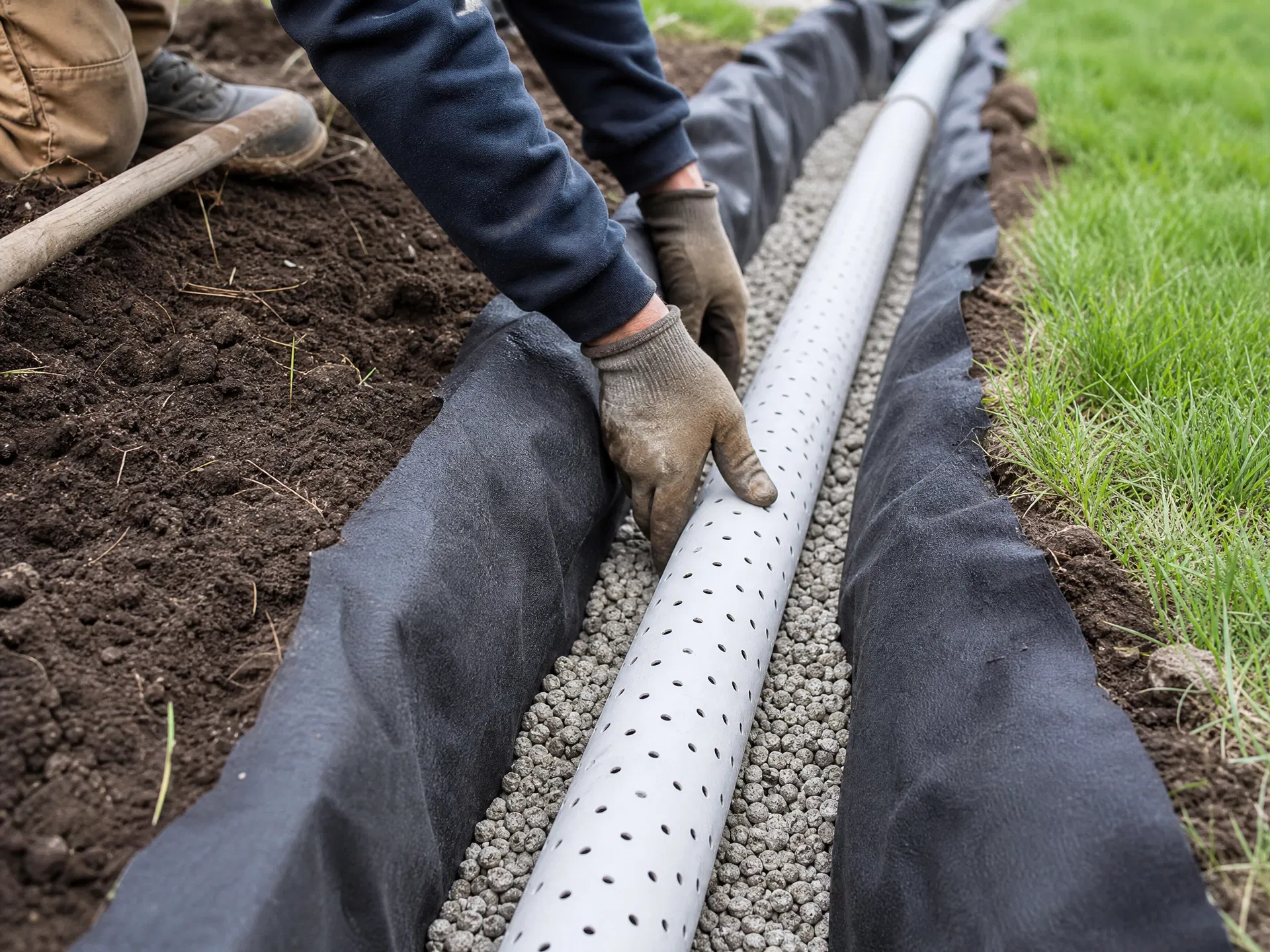
French Drain Installation
Professional French drain systems designed for Lynnwood's specific soil and terrain conditions.
Learn More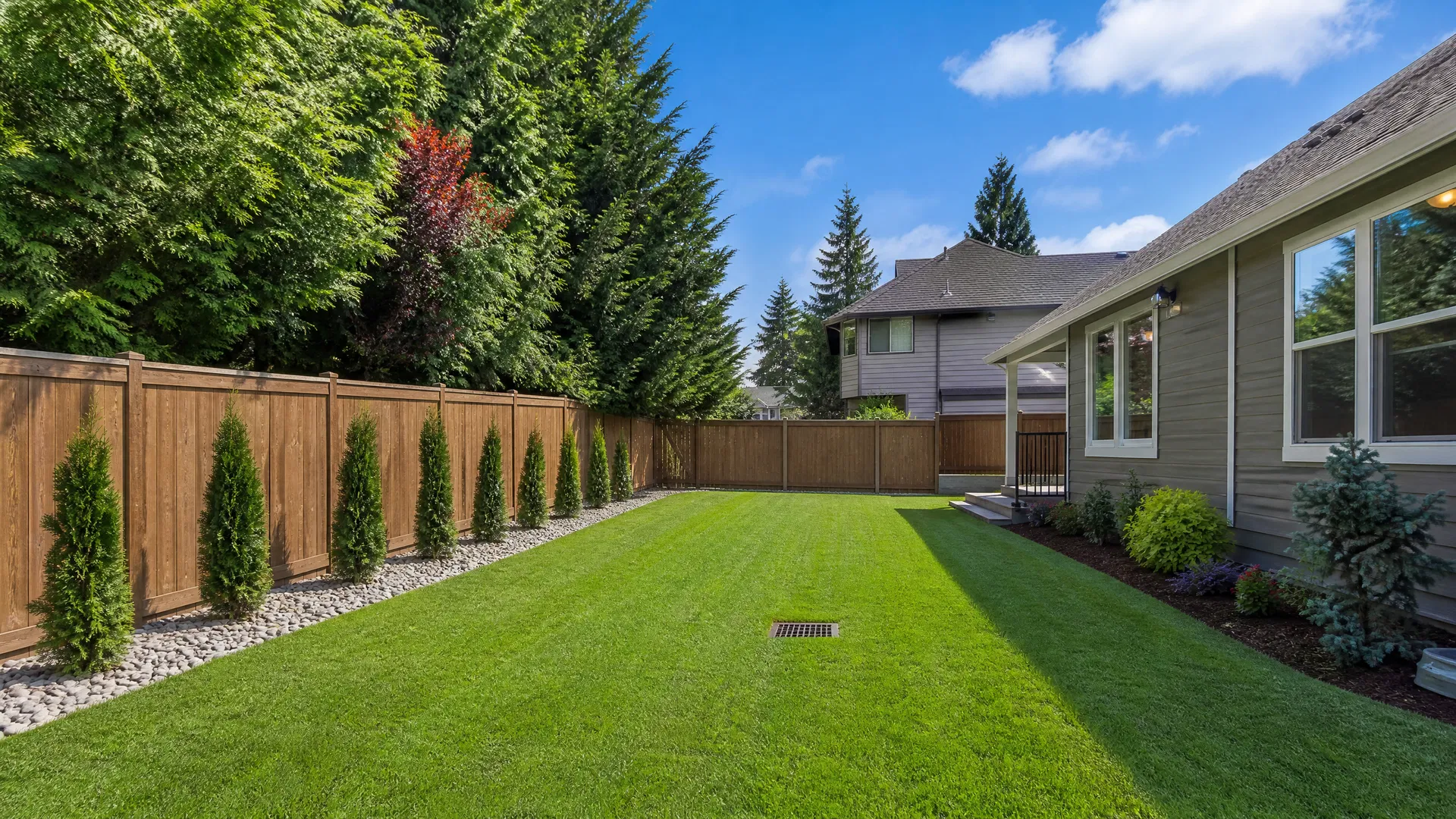
Yard Drainage Systems
Custom catch basins, surface drains, and grading solutions for Lynnwood yards with standing water.
Learn More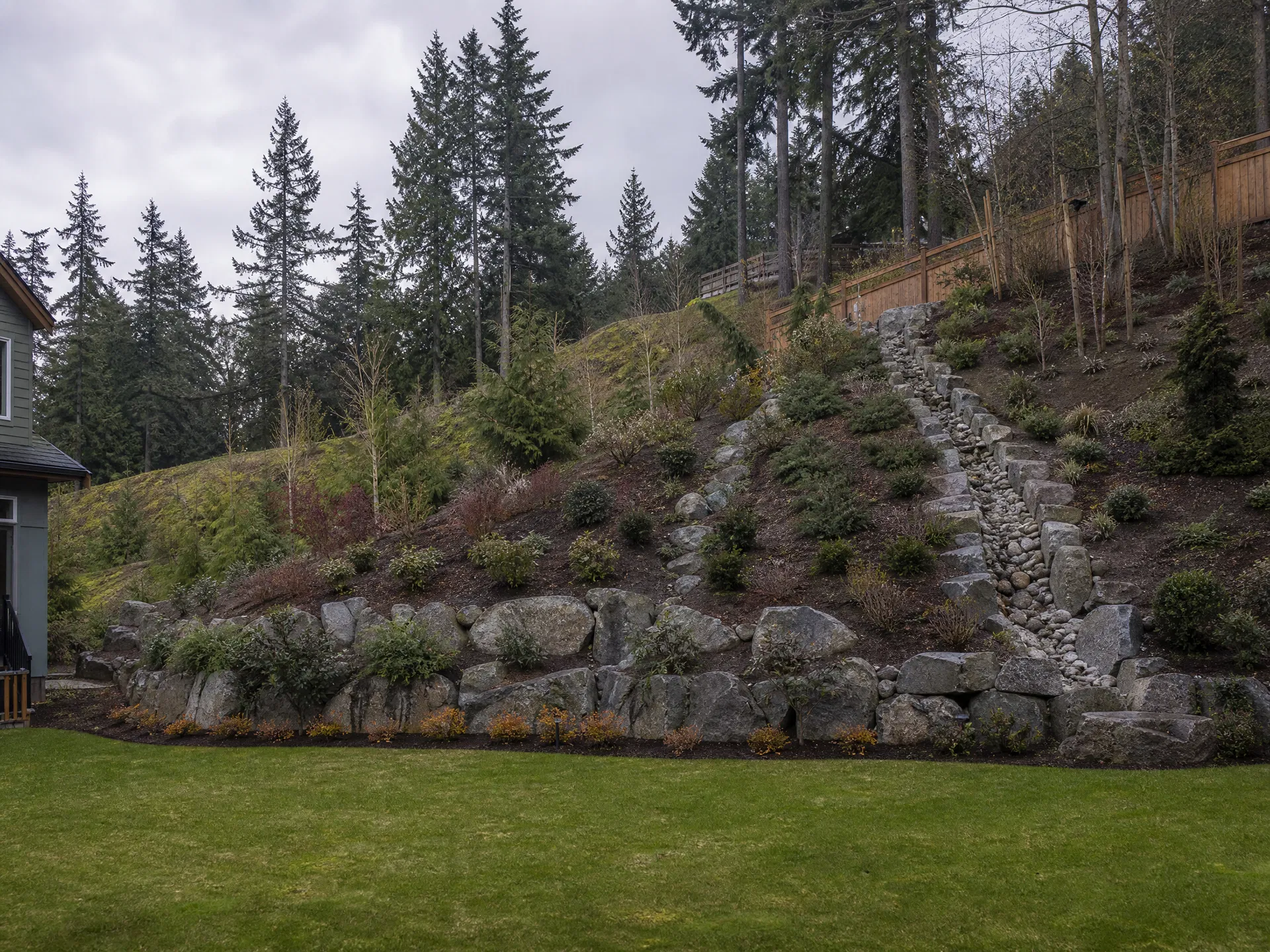
Erosion Control & Slopes
Slope stabilization, drainage channels, and runoff management for Lynnwood's hillside properties.
Learn MoreHow Much Does Drainage Cost in Lynnwood?
All prices include site preparation, materials, and cleanup. Free, no-obligation estimates with all the details — no surprises.
French Drain
$3,000–$7,500
Per system, till excavation
Catch Basin System
$2,000–$4,500
Surface water collection & routing
Full Yard Drainage
$5,000–$12,000
Complete system design & install
Sump Pump System
$2,500–$5,000
Perched groundwater management
Prices are based on site conditions, linear footage, and system design. Get a free estimate for exact pricing.
"Our yard was literally underwater for months every winter. New Life Drainage installed a system that intercepts the perched groundwater before it reaches our lawn. First dry winter in 10 years."
Angela & Mike D.
Lynnwood, WA
Lynnwood Areas We Serve
44th Ave W & Wetland Areas
Frequent road closures and residential flooding due to proximity to wetlands and impermeable till that prevents absorption during heavy rain events.
Downtown Lynnwood
4.2% of properties at risk of flooding per city data. Urban density concentrates runoff and aging infrastructure struggles during heavy storms.
Lynnwood Neighborhood Park Area
Frequently soggy conditions from perched groundwater. Residential properties experience persistent yard saturation during the wet season.
Alderwood Manor
Established neighborhood with mature development on glacial till. Older homes lack modern drainage systems and experience foundation moisture issues.
Martha Lake & Meadowdale
Lower-elevation areas where perched groundwater concentrates. Properties experience high water tables and standing water after moderate rain events.
North Lynnwood & Mountlake Terrace Border
Gentle slopes where water moves slowly across the till layer, saturating large areas rather than flowing to defined drainage paths.
Lynnwood Drainage FAQs
Why can't water soak into my Lynnwood yard?
Lynnwood sits on Vashon Glacial Till that geotechnical studies classify as 'nearly impermeable' — meaning water cannot migrate vertically through it. Instead, water perches on top of the till layer within feet of the surface, creating saturated conditions that make yards soggy and unusable. A French drain system installed at the till interface can intercept this perched water and redirect it to proper discharge points.
How much does drainage cost in Lynnwood?
Residential drainage projects in Lynnwood typically range from $3,000 to $12,000 depending on the system type, property size, and groundwater conditions. Properties with perched water tables may need more comprehensive systems including sump pumps. We provide free on-site estimates with transparent pricing.
Will the December 2025 flooding happen again?
Climate scientists confirm that atmospheric river events are becoming more frequent and intense in the Pacific Northwest. The December 2025 federal emergency demonstrated that Lynnwood's impermeable till cannot handle these events without proper drainage infrastructure. Installing a professional drainage system now protects your property against future events that are statistically likely to recur.
What is perched groundwater and why does it matter?
Perched groundwater occurs when water sits on top of an impermeable layer (like Lynnwood's glacial till) rather than draining deep into the earth. During wet months, this perched water can be within 2-4 feet of the surface, saturating your yard, pushing moisture into foundations, and making landscaping impossible. Proper drainage systems intercept this perched water before it reaches problem areas.
Fix Your Lynnwood Drainage Problem
Get a free on-site assessment from drainage experts who understand Lynnwood's impermeable glacial till and perched groundwater challenges.