Mill Creek, Snohomish County
MILL CREEK DRAINAGE &
EROSION CONTROL CONTRACTORS
Mill Creek's unique combination of glacial outwash soil, rolling terrain, and active beaver populations creates drainage challenges found nowhere else in Snohomish County. When a beaver dam ruptured near Jackson High School in 2017, it flooded an entire neighborhood — a reminder that Mill Creek's waterways are dynamic and unpredictable. Professional drainage protects your property from both gradual saturation and sudden events.
50+
Years Serving Mill Creek
500+
Projects Completed
5.0
Google Rating
100%
Licensed & Insured
Why Mill Creek Has Unique Drainage Challenges
Mill Creek's geology consists of glacial outwash and glacial till — a combination that creates variable drainage conditions across the city. Near-surface soils are often weathered glacial till with silty sand, variable gravel, and cobble content. In lower-elevation wetland areas, organic material accumulates and holds moisture. This inconsistency means two neighboring properties can have dramatically different drainage behavior.
The city's terrain features gently to steeply rolling lower slopes, with surface grades decreasing from east to west. Shallow waterways like Mill Creek and Penny Creek wind through the community, creating low-lying marshy areas and wetlands that are integral to the city's character but also create flooding risk for adjacent properties. The undulating hills concentrate runoff in valleys where homes are built.
Mill Creek faces a drainage challenge unique in the region: active beaver populations. Beaver dams on Penny Creek and other waterways create beneficial wetlands but can also cause sudden, destructive flooding when they rupture or overflow. In November 2017, a ruptured beaver dam near Jackson High School flooded homes on 136th Street SE and closed roads. 35th Avenue Southeast near 144th Street SE floods regularly due to beaver dam activity on Penny Creek.
The City of Mill Creek operates a Surface Water Utility managing over 5,000 public and private stormwater structures — one of the highest densities in the region for a city this size. This infrastructure handles public drainage, but private property systems must function independently, especially during the beaver-related flooding events that can overwhelm localized areas without warning.
Why Mill Creek Homeowners Choose New Life Drainage
What Makes Mill Creek Drainage Installation Different
Variable Glacial Soils
Mill Creek's mix of glacial outwash and glacial till creates inconsistent drainage — two neighboring properties can behave completely differently.
Active Beaver Populations
Beaver dams on Penny Creek and other waterways create beneficial wetlands but can cause sudden flooding when they rupture or overflow.
5,000+ Stormwater Structures
One of the highest infrastructure densities for a city this size — yet private systems must function independently during overflow events.
Drainage Services in Mill Creek

French Drain Installation
Professional French drain systems designed for Mill Creek's specific soil and terrain conditions.
Learn More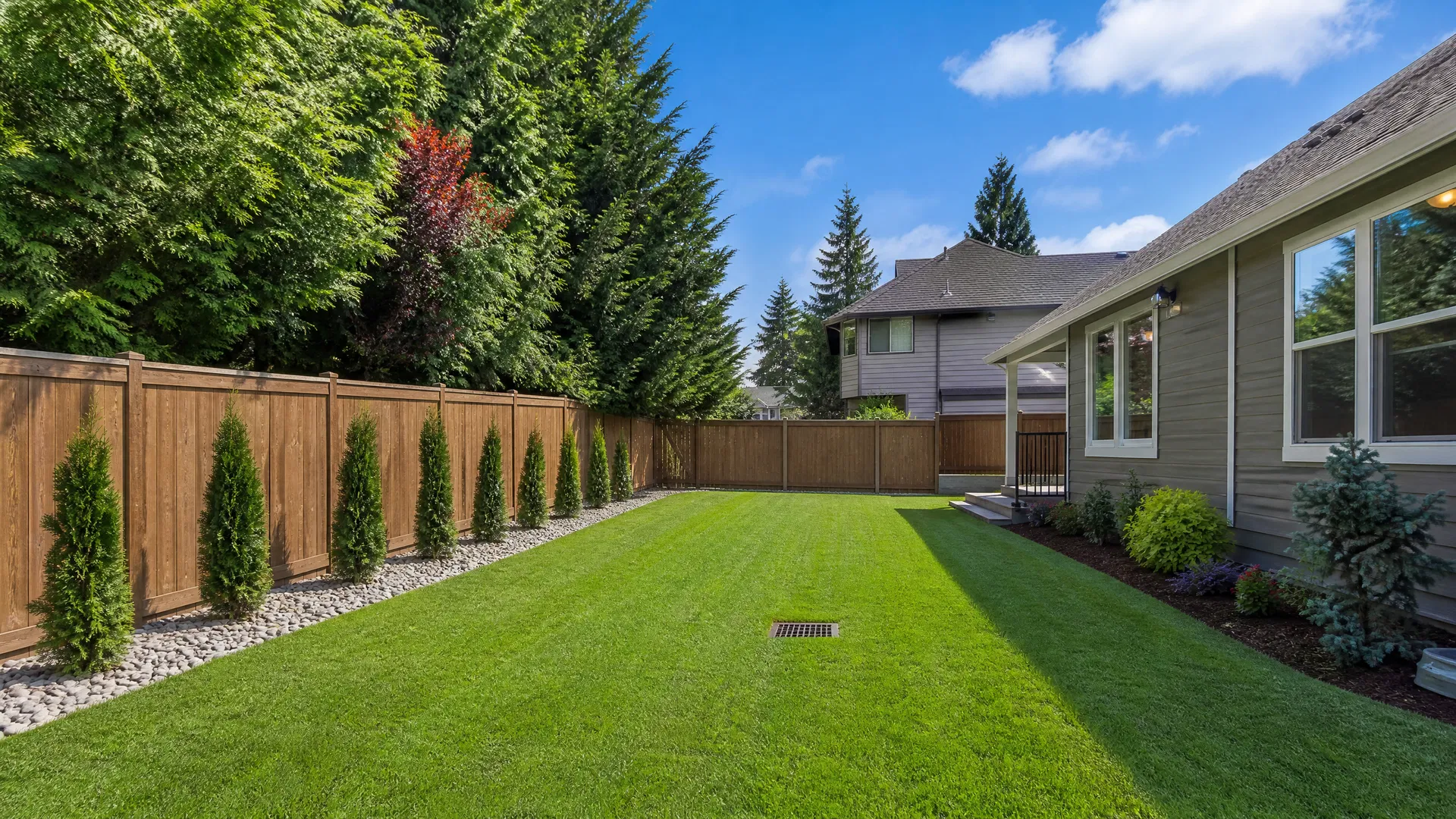
Yard Drainage Systems
Custom catch basins, surface drains, and grading solutions for Mill Creek yards with standing water.
Learn More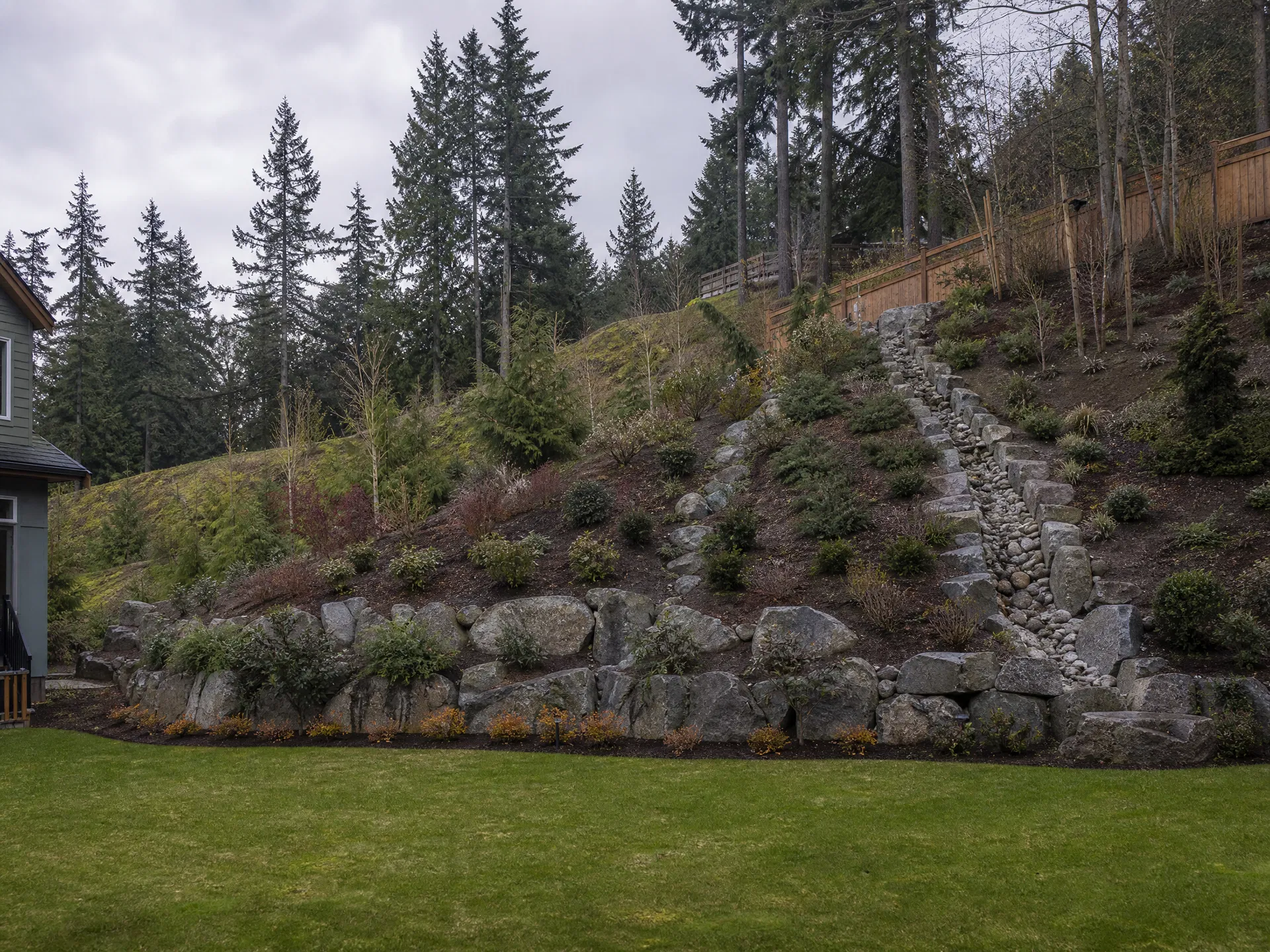
Erosion Control & Slopes
Slope stabilization, drainage channels, and runoff management for Mill Creek's hillside properties.
Learn MoreHow Much Does Drainage Cost in Mill Creek?
All prices include site preparation, materials, and cleanup. Free, no-obligation estimates with all the details — no surprises.
French Drain
$3,000–$7,500
Per system, variable soil conditions
Catch Basin System
$2,500–$5,000
Surface water collection & routing
Full Yard Drainage
$5,500–$13,000
Complete system design & install
Flood Protection
$4,000–$10,000
Beaver dam area drainage
Prices are based on site conditions, linear footage, and system design. Get a free estimate for exact pricing.
"After the 2017 beaver dam flood near Jackson High School, we decided to protect our property. New Life Drainage designed a system that handles both normal rain and sudden overflow events. Peace of mind."
Dan & Rachel W.
Mill Creek, WA
Mill Creek Areas We Serve
136th Street SE / Jackson High School
Experienced significant flooding from a ruptured beaver dam in 2017. Properties remain vulnerable to future beaver dam failures on adjacent wetlands.
35th Ave SE & 144th St SE
Frequently floods during heavy rains due to low-lying location and nearby beaver dams on Penny Creek that alter water levels unpredictably.
Kings Park
Residential area with rolling terrain where runoff from higher ground concentrates in lower properties, creating persistent yard drainage issues.
Country Club Estates
Established neighborhood with mature landscaping on glacial till. Older drainage systems struggle with current rainfall intensity and tree root intrusion.
Heron Park & Gateway
Properties adjacent to Mill Creek's wetland corridors that experience high water tables and saturated soil during the extended wet season.
Thomas Lake & Heatherwood
Eastern Mill Creek with steeper rolling terrain where concentrated runoff flows westward, creating erosion on slopes and pooling in low spots.
Mill Creek Drainage FAQs
Can I protect my property from beaver dam flooding?
Yes. While you cannot remove beaver dams without a Hydraulic Project Approval permit from WDFW, you can install drainage systems that protect your property from overflow events. A combination of French drains, catch basins, and proper grading can redirect flood water away from your home even during sudden beaver dam failures. We design systems specifically for Mill Creek's beaver-affected areas.
How much does drainage cost in Mill Creek?
Residential drainage projects in Mill Creek typically range from $3,000 to $13,000 depending on the system type, proximity to waterways, and soil conditions. Properties near Penny Creek or known beaver dam areas may need more robust systems. We provide free on-site estimates with detailed, transparent pricing.
Why does my Mill Creek yard drain differently than my neighbor's?
Mill Creek's geology is highly variable — glacial outwash, glacial till, and organic wetland soils can all exist within a single neighborhood. Your property may sit on well-draining outwash while your neighbor's is on impermeable till. This is why we conduct soil assessment during every estimate visit rather than applying generic solutions.
Does Mill Creek require stormwater system maintenance?
Yes. The City of Mill Creek requires regular inspection of stormwater facilities and enforces standards to prevent illicit discharges. With over 5,000 stormwater structures in the city, the system is extensive. Private property drainage systems should be inspected annually, especially in fall when leaf debris can clog catch basins and grates.
Fix Your Mill Creek Drainage Problem
Get a free on-site assessment from drainage experts who understand Mill Creek's variable soils, beaver dam risks, and wetland-adjacent drainage challenges.